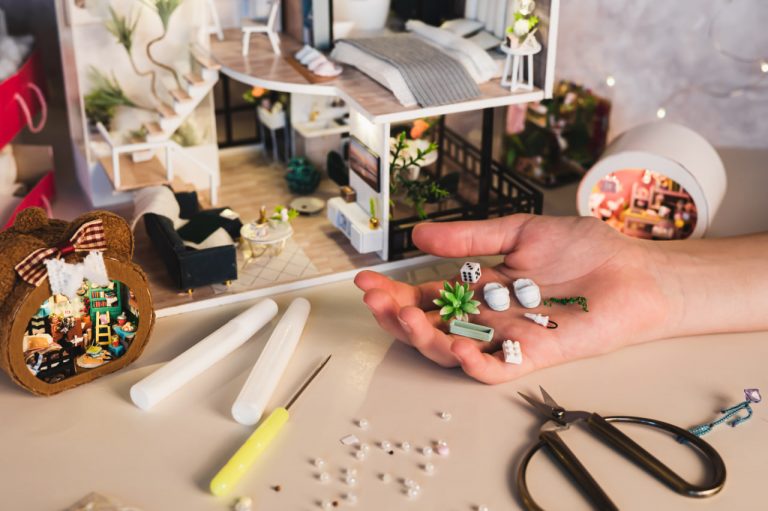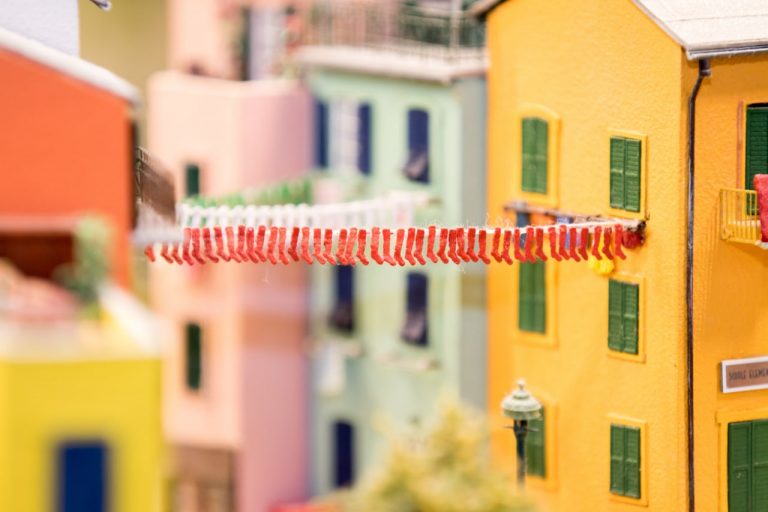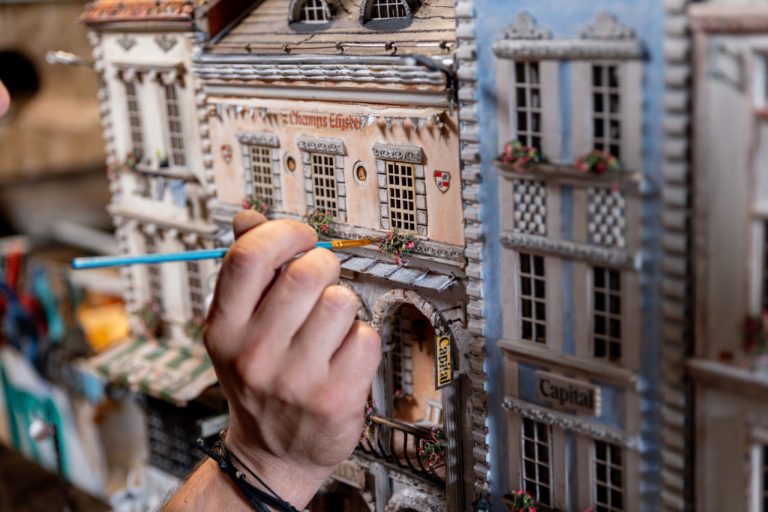

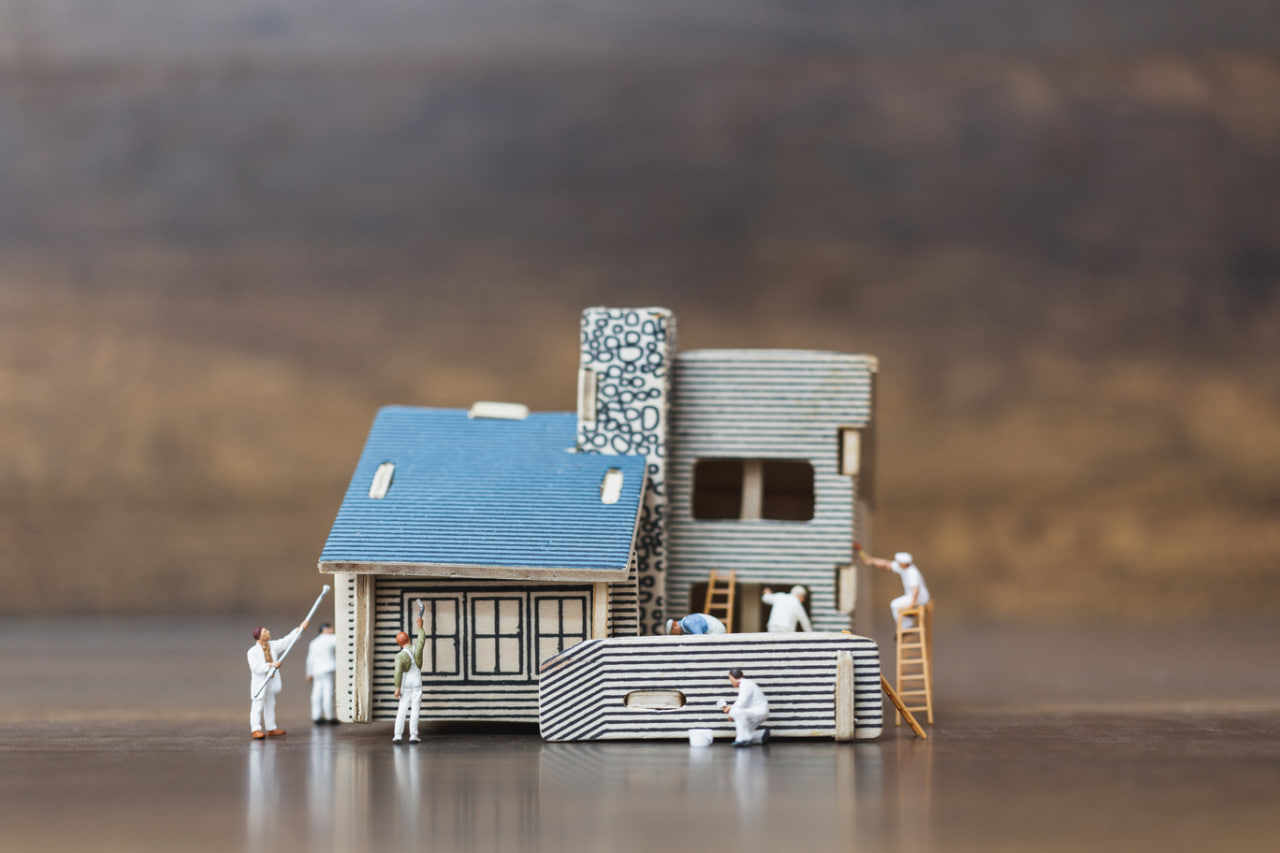
Designing and decorating miniature rooms is a blend of creativity, precision, and storytelling. Every tiny element, from wallpaper patterns to miniature furniture placement, contributes to the overall atmosphere and realism of a dollhouse. By thoughtfully arranging colors, textures, and furnishings, miniature artists can create spaces that feel lived-in, charming, and visually engaging.
This guide explores key principles, techniques, and strategies for designing and decorating miniature rooms with balance, style, and personality.
Planning the Room Layout
Effective miniature room design begins with careful planning.
Room Function
Determine the purpose of the room: kitchen, bedroom, living room, or study. The function guides furniture selection, accessory placement, and color schemes.
Scale and Proportion
Ensure all items are in proportion to the room and each other. Consistency in scale maintains realism and prevents visual imbalance.
Traffic Flow and Accessibility
Even in miniature spaces, consider “paths” and spacing. Arrange furniture so that it appears natural and allows the eye to move freely through the scene.
Sketching the Layout
Draw rough sketches of the room, marking furniture placement, wall décor, and accessories. Planning visually before assembling pieces reduces mistakes and improves composition.
Choosing Color Schemes
Color sets the mood and defines the character of a room.
Base and Accent Colors
Start with a neutral or main base color for walls and floors, then add accent colors in furniture, textiles, and décor.
Harmonious Palettes
Use complementary or analogous color schemes to create a cohesive look. Soft pastels, rich earth tones, or bold primaries can all define a room’s personality.
Mood and Atmosphere
Bright colors energize and add cheer, while muted shades create a calm, cozy environment. Choose tones that reflect the story or theme of the room.
Selecting Furniture and Accessories
Furniture and décor are the focal points of miniature rooms, shaping both function and aesthetics.
Essential Pieces
Identify key furniture for the room’s purpose: bed and wardrobe for a bedroom, sofa and coffee table for a living room, or table and chairs for a dining room.
Decorative Accessories
Rugs, curtains, lamps, tiny books, and wall art bring personality and realism. Even small items add depth and interest.
Layering Textures
Combine smooth surfaces with textured fabrics, wood grain, or patterned wallpapers to create tactile and visual contrast.
Miniature Scale Awareness
All furniture, accessories, and textiles must remain proportional to maintain a believable miniature world.
Arranging Furniture and Décor
Placement of items affects how the room feels and is perceived.
Balance and Symmetry
Symmetrical arrangements create order and harmony, while asymmetry adds dynamic movement and visual interest.
Focal Points
Establish a central feature, such as a fireplace, bed, or dining table, to anchor the design. Accessory placement can guide the viewer’s eye toward these key elements.
Layering and Depth
Place larger items toward the back and smaller details in the foreground to create a sense of depth. Overlapping elements subtly can make spaces feel more natural.
Vertical Space Use
Utilize walls for shelves, framed art, or hanging décor to maximize space and add dimension without overcrowding.
Lighting and Atmosphere
Lighting is crucial for setting mood and emphasizing details in miniature rooms.
Natural Light Simulation
Place windows or translucent elements strategically to suggest daylight. Painted light reflections and shadows enhance realism.
Artificial Lighting
Tiny LED lamps, chandeliers, and wall sconces bring warmth and highlight focal points. Ensure wiring is discreet and proportionate to scale.
Color Temperature
Warm light adds coziness, while cool light can create a modern, crisp feel. Combining both subtly can make a room feel more dynamic.
Personalizing Rooms
Adding personal touches makes miniature rooms unique and expressive.
Themes and Stories
Choose a theme such as vintage, modern, rustic, or whimsical. Each decision, from color to furniture, should reinforce this theme.
Miniature Collections
Display tiny books, kitchenware, or decorative objects that tell a story or reflect a specific character.
DIY Accessories
Handmade miniature items, like tiny paintings or pillows, add individuality and charm, making the room distinctly yours.
Tips for Successful Decoration
Work in Layers
Assemble and decorate furniture first, then add accessories and final touches. This prevents damage to delicate pieces.
Experiment on Scrap Pieces
Test colors, patterns, and arrangements on sample materials before applying them to the final room.
Step Back and Evaluate
Regularly view the room from different angles. Assess composition, scale, and visual balance, making adjustments as needed.
Patience and Precision
Decorating miniatures is meticulous work. Take your time with small details; even tiny elements significantly impact the overall effect.