
Miniature accessories and outdoor scenes are the finishing touches that transform a dollhouse from a simple model into a captivating, lifelike world. Tiny décor, plants, gardens, and outdoor features add personality, context, and charm to miniature spaces. By carefully selecting, crafting, and arranging these elements, miniature artists can create immersive environments that feel complete and realistic.
This guide explores techniques, tools, and strategies for designing miniature accessories and outdoor scenes that enhance dollhouse storytelling.
The Role of Accessories in Miniature Design
Accessories are key to bringing character and realism to miniature interiors and exteriors.
Defining Space
Accessories help convey the function of a room or outdoor area, whether it’s a cozy reading nook, a bustling kitchen, or a garden patio.
Adding Personality
Small items like books, teacups, or tiny paintings provide a narrative about the inhabitants of the miniature world.
Enhancing Visual Interest
Carefully placed accessories draw the eye, create focal points, and add depth to otherwise flat or simple spaces.
Selecting and Crafting Miniature Accessories
Choosing the right accessories and learning how to craft them ensures consistency, realism, and style.
Furniture Accents
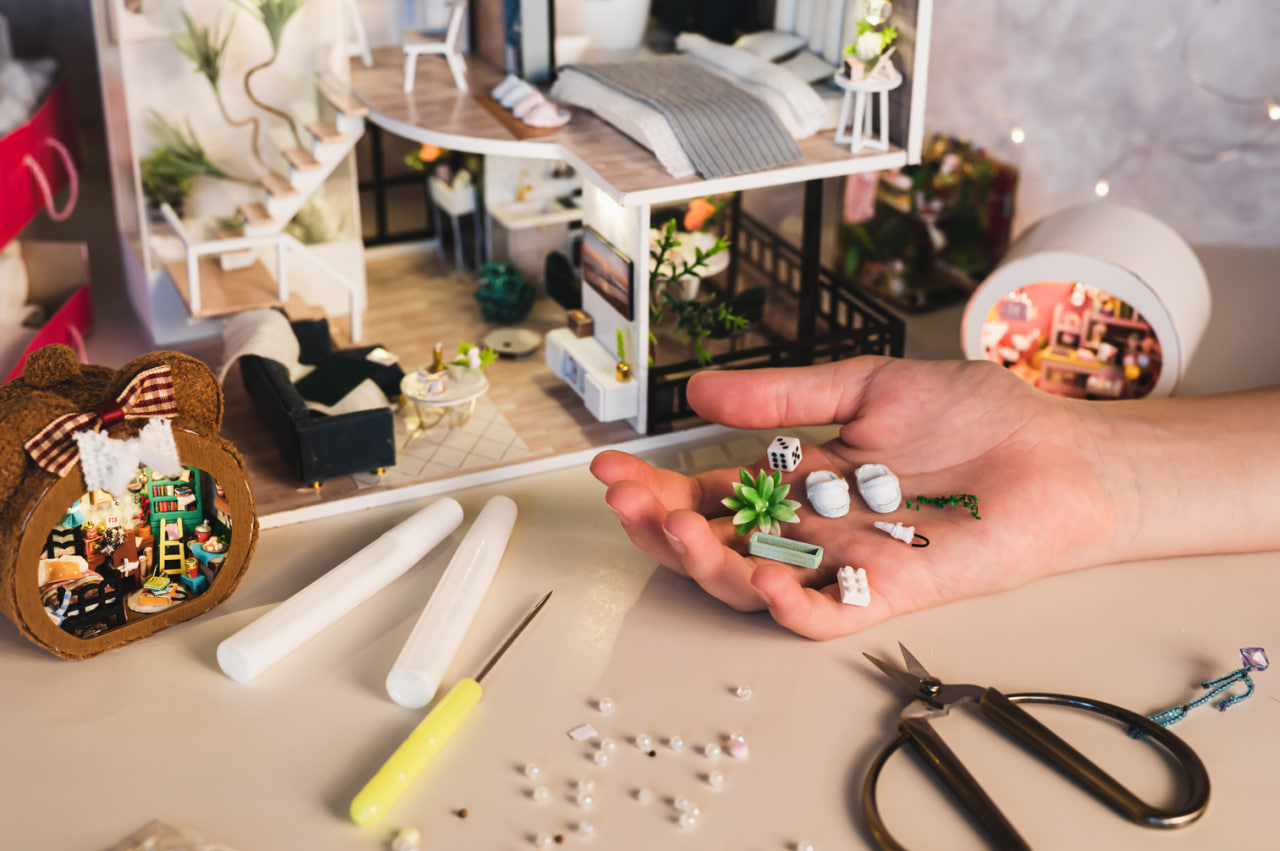
Miniature cushions, lamps, trays, or wall hangings complement furniture and reinforce room themes. Use scaled-down materials like fine fabrics, thin wire, or polymer clay for realistic effects.
Kitchen and Dining Items
Tiny plates, utensils, jars, and food models add authenticity to kitchens and dining areas. Polymer clay, resin, and painted paper are excellent materials for creating realistic miniature food.
Decorative Objects
Miniature vases, clocks, picture frames, and rugs add aesthetic appeal and enrich storytelling. Even small details like books or tiny candles can make a space feel alive.
Personalized Elements
Hand-painted objects or custom-designed décor make the miniature space uniquely yours, giving your dollhouse a signature style.
Designing Miniature Outdoor Scenes
Outdoor elements bring miniature homes to life, creating context and continuity beyond interior spaces.
Mini Gardens
Create miniature gardens using moss, tiny artificial flowers, or sculpted clay plants. Arrange plants in scaled flower beds, pots, or garden borders for a natural look.
Paths and Walkways
Craft miniature pathways with sand, pebbles, or textured paint. Paths guide the eye and connect outdoor features, giving the scene structure.
Water Features
Small ponds, fountains, or birdbaths can be made from resin, clear glue, or acrylic sheets. These add movement, reflection, and realism to outdoor areas.
Fencing and Boundaries
Tiny fences, hedges, or walls define spaces and create a sense of enclosure, adding detail and scale consistency.
Arranging Accessories and Outdoor Features
Placement and layering are critical to creating believable miniature scenes.
Balance and Proportion
Accessories should match the scale of furniture and outdoor features. Avoid overcrowding small spaces, which can make the scene feel cluttered.
Focal Points
Position eye-catching elements, like a flowering bush, garden bench, or decorative centerpiece, to guide attention and create visual hierarchy.
Layering and Depth
Place larger items in the back and smaller items in the foreground. Overlapping elements slightly enhances realism and depth.
Thematic Consistency
Accessories and outdoor elements should match the room or home theme, whether it’s modern, rustic, vintage, or whimsical.
Painting and Finishing Miniature Accessories
Finishing touches elevate the realism and durability of miniature accessories.
Surface Preparation
Clean, sand, or prime materials before painting to ensure even coverage and adhesion.
Detail Painting
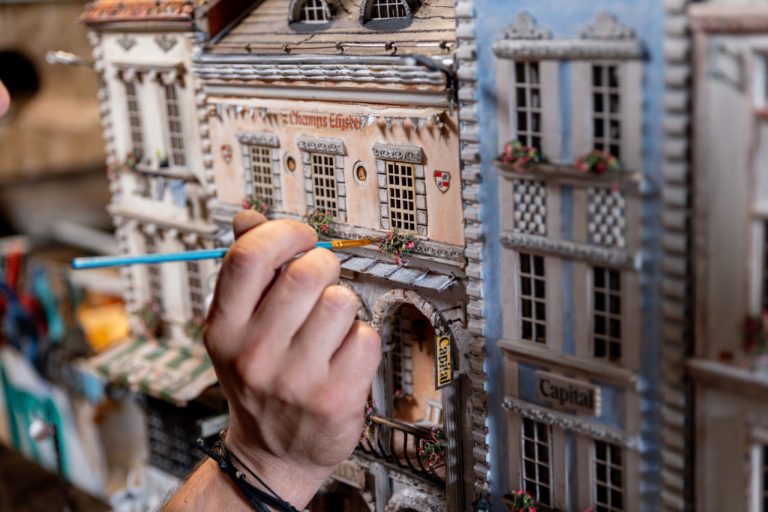
Use fine brushes to add intricate patterns, textures, or highlights. Tiny color variations bring objects to life.
Sealing and Protection
Apply a thin coat of matte, satin, or gloss sealant to preserve colors and protect delicate pieces from handling.
Weathering Techniques
Outdoor items benefit from subtle weathering, such as dry brushing or adding fine dust, to simulate age and exposure to natural elements.
Workflow and Organization
Efficient workflow and organization prevent mistakes and help maintain consistency.
Work in Sections
Complete accessories or outdoor areas in small batches, finishing one section before moving to the next.
Use Templates and Guides
Stencils, molds, or miniature forms help maintain uniformity in repeated elements, such as flower pots, windows, or benches.
Document and Reference
Keep notes on color mixes, materials, and placement strategies. Documentation allows replication of successful designs in future projects.
Creativity and Personalization
Miniature accessories and outdoor scenes offer endless opportunities for creativity.
Experiment with Materials
Recycled materials, natural elements, and unconventional items can be transformed into convincing miniature décor or landscape features.
Storytelling
Arrange objects to suggest activities or lifestyles of miniature inhabitants, such as a picnic setup, a tiny library corner, or a flower pot collection.
Seasonal Variations
Adapt outdoor scenes and décor to reflect seasons—spring blooms, autumn leaves, or snowy winter paths add thematic charm.