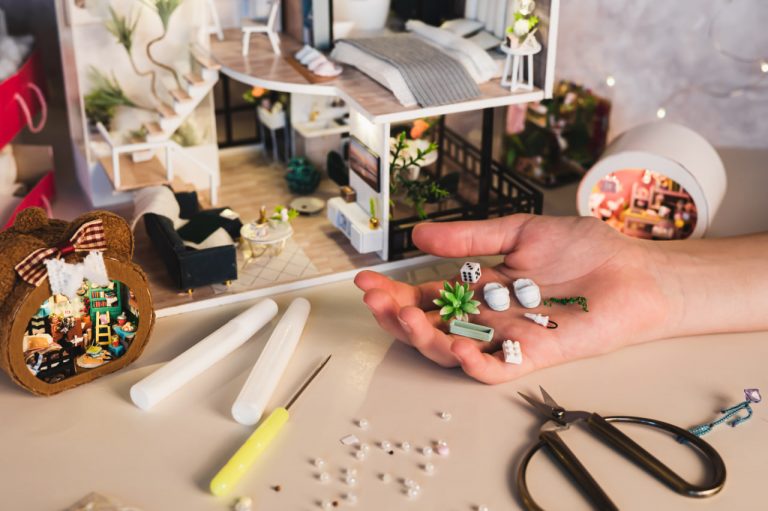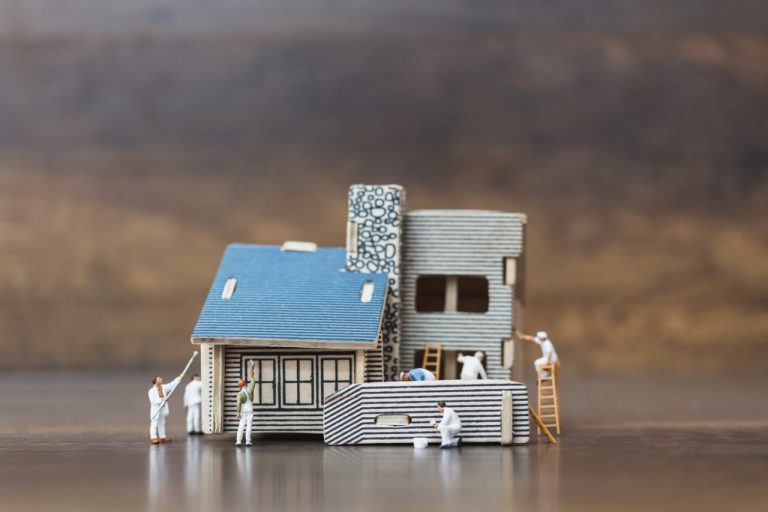

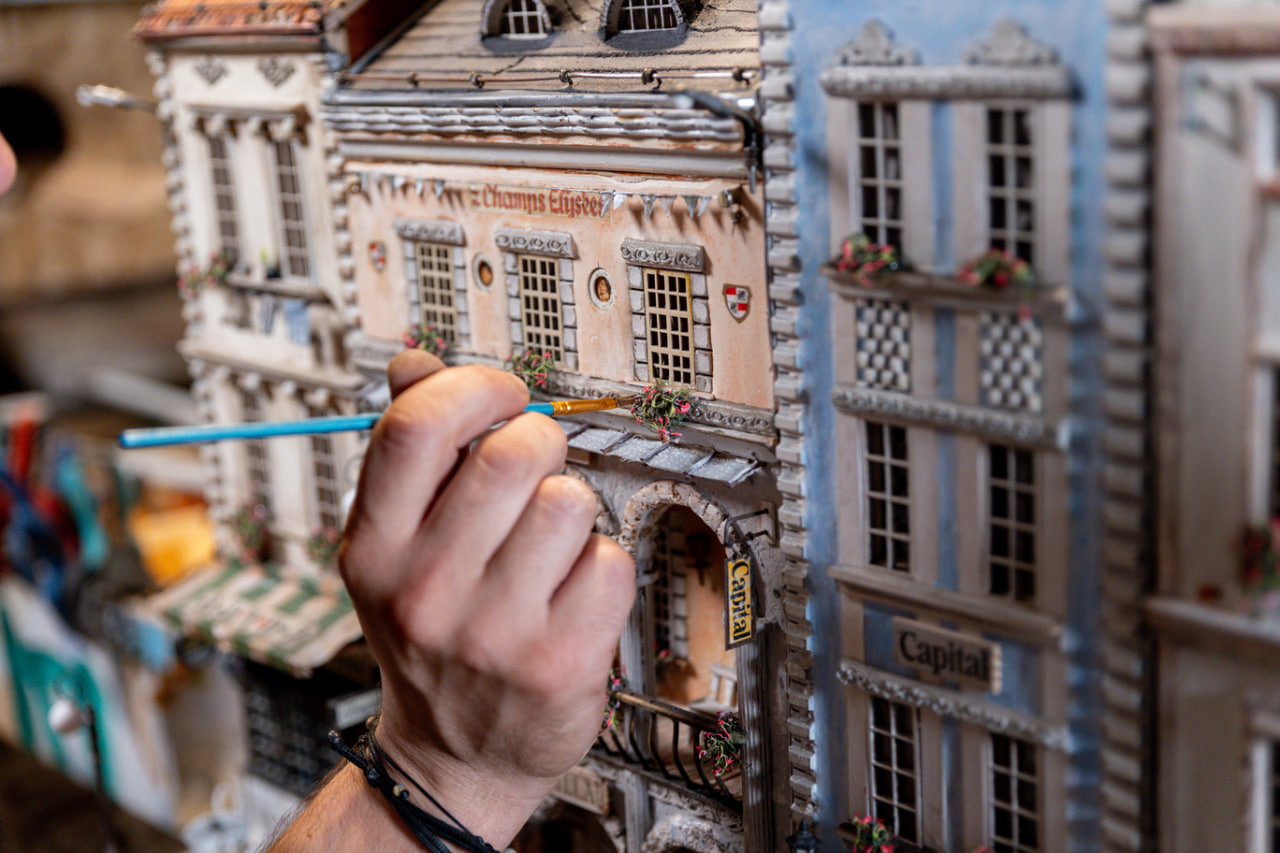
Creating miniature furniture is one of the most rewarding aspects of crafting dollhouses. Every tiny chair, table, or bed brings a miniature world to life, allowing artists to express creativity, precision, and design sense on a small scale. Mastering essential furniture techniques ensures that your miniatures are both aesthetically appealing and structurally sound, providing a foundation for realistic and charming dollhouse interiors.
This guide explores fundamental techniques, tools, and strategies for crafting high-quality miniature furniture.
Understanding Scale and Proportion
Scale is the cornerstone of miniature furniture making. Accurate proportions create realistic scenes and ensure that all pieces fit together harmoniously.
Common Scales
Dollhouse furniture is often created in 1:12, 1:24, or 1:48 scale. In 1:12 scale, 1 inch represents 1 foot, making it one of the most widely used scales. Choosing a consistent scale across all pieces is essential for cohesion.
Measuring and Planning
Use rulers, calipers, and templates to measure and sketch each piece before cutting. Planning dimensions beforehand avoids mismatched furniture and maintains visual consistency.
Proportion in Design
Consider not just size but also the proportion of elements within a piece. Chair legs, table tops, and cushions should all maintain realistic ratios relative to the overall piece.
Selecting Materials
Material choice affects durability, workability, and appearance of miniature furniture.
Wood
Balsa, basswood, and plywood are popular for miniature projects. Balsa is easy to cut and shape, while basswood offers sturdiness for furniture frames.
Paper and Cardboard
Ideal for lightweight or temporary pieces. Reinforce with layers or coating for durability.
Clay and Resin
Polymer clay and resin are useful for decorative details or small accessories like miniature bowls, lamps, or knobs.
Fabric and Textiles
Tiny cushions, upholstery, and bedding require scaled-down fabrics such as cotton, felt, or silk, often paired with thin foam for padding.
Cutting and Shaping Techniques
Precision in cutting and shaping materials is crucial for clean, realistic furniture.
Hand Tools
Craft knives, miniature saws, and files allow detailed shaping of wood or cardboard. Always use sharp blades and proper cutting surfaces for accuracy.
Sanding and Smoothing
Smooth edges and surfaces using fine-grit sandpaper. This ensures clean joins, realistic finishes, and better adhesion of paint or glue.
Joining Pieces
Miniature furniture is often assembled with wood glue or specialized adhesives. Apply small amounts carefully to avoid overflow and ensure strong bonds.
Painting and Finishing
Finishing techniques enhance realism and durability of miniature furniture.
Priming
Apply a thin primer or base coat to seal wood or porous materials, ensuring smooth paint application.
Painting Techniques
Use fine brushes for details and layering techniques to create depth, texture, and color variation. Distressing or dry-brushing adds aged or rustic effects.
Sealing
Clear varnish or matte sealant protects painted surfaces, prevents chipping, and enhances longevity.
Upholstery and Soft Details
Miniature furniture often includes upholstered pieces like chairs, sofas, or beds. Attention to scale and texture ensures authenticity.
Cutting and Sewing
Cut fabric to match miniature dimensions and stitch carefully. Tiny seams should be neat and proportional.
Padding
Use thin foam, felt, or batting to create cushions or upholstered seats. Attach carefully to maintain uniform thickness.
Decorative Touches
Add miniature trims, buttons, or embroidery to elevate realism and charm. Small-scale embellishments make a big visual impact.
Advanced Techniques
Once basic skills are mastered, more intricate techniques can elevate miniature furniture projects.
Inlay and Carving
Carve patterns or add inlays for realistic detailing on wooden pieces. This creates a high-end, professional look.
Layering Materials
Combine wood, clay, metal, or fabric to produce complex pieces like ornate chairs, chandeliers, or miniature cabinets.
Modular Pieces
Design furniture in modular sections for easier assembly, painting, and transport. This approach allows flexibility in larger dollhouse layouts.
Practice and Patience
Miniature furniture making demands patience and iterative practice. Beginners should start with simple items such as tables or chairs and gradually progress to complex pieces like cabinets or beds.
Trial Pieces
Create small test models to refine cutting, painting, and joining techniques before committing to final pieces.
Documentation
Keep notes on dimensions, materials, and finishing methods for future reference. Documentation helps replicate successful designs.
Observation and Adaptation
Study real furniture and scaled-down examples to understand proportion, detailing, and design choices. Adapting observations to miniatures enhances realism.